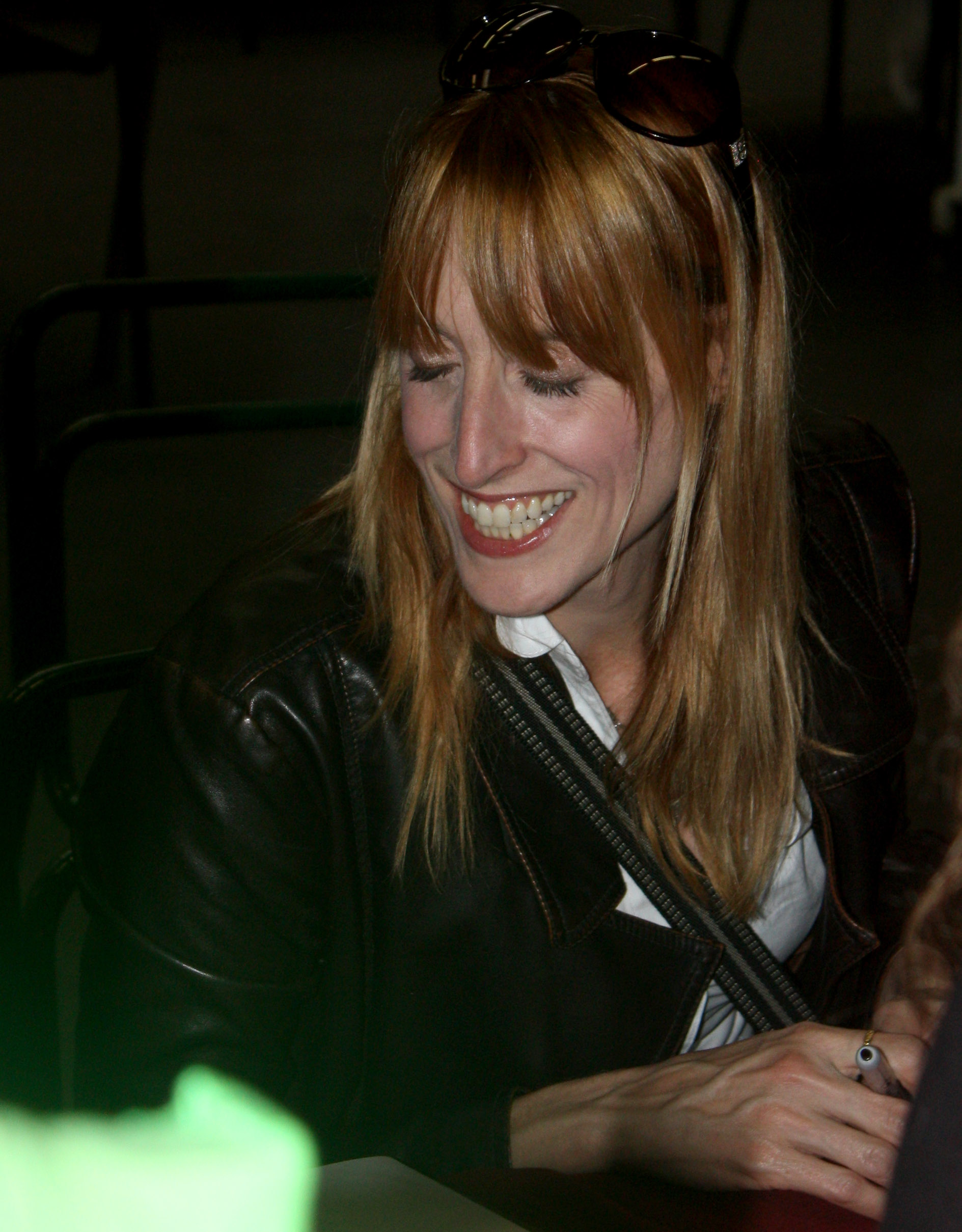
Rebecca Guay is familiar to fantasy audiences through Magic: The Gathering, but that is one part of a wider painting career. Working also as Rebecca Léveillé Guay, she has moved between comics, commissioned illustration and personal figurative art. Her work is a useful reference for artists interested in expressive figures, flowing compositions and images that suggest a story without explaining every part of it.
A recognizable voice in fantasy
A 2020 interview with Magic Untapped identifies Guay's training at Pratt Institute and her Magic card debut in the Alliances set. She had also worked on early comics associated with the game, including Serra Angel. In the interview, she recalled copying cartoons and comics from childhood, with an ambition to become an artist encouraged by her mother, who had attended art school herself.
Guay's discussion of materials is particularly revealing. She describes working with watercolor, oil, graphite and ink as an exchange with physical substances that can behave unpredictably. The medium is an active part of making the image, rather than merely a neutral route to a predetermined result.
Beyond the illustration assignment
Her official artist statement places a major shift in 2011, when she moved away from commercial illustration to concentrate on personal and gallery painting. It describes a figurative practice drawing on art history, fantasy imagery and contemporary culture. Imagined figures remain central, while her interests include the female gaze, sensuality and the way cultural images acquire meaning.
The distinction matters when exploring her portfolio. An illustration may answer a specific narrative brief; a personal painting can leave its relationships deliberately unresolved. Her statement also emphasizes the physical surface: line, washes, pattern and paint interact as part of the work's meaning. Exhibitions listed there include the Delaware Art Museum and Allentown Art Museum, extending the context beyond fantasy publishing.
A study to try
Our study suggestion: make three small compositions around a single figure and a trailing piece of fabric. In each, move the largest curve so it guides the eye differently. Keep the story simple and leave one relationship unexplained. If you work in Photoshop, test a small set of translucent marks instead of constantly changing brushes. Decide which accidental overlaps help the composition and preserve those. The purpose is not to simulate Guay's paintings or claim her process, but to explore how material character and intentional design can coexist in your own work.